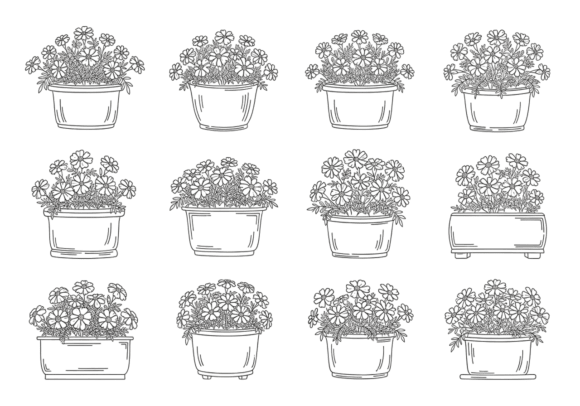
Floral Potted Plants Line Art Clipart Review
I have spent years evaluating digital assets for the needle, and I have learned that a pretty picture on a screen does not always translate to a beautiful stitch. When I first encountered Floral Potted Plants Line Art Clipart, my initial reaction was one of cautious optimism. The line art aesthetic is trendy, but it presents unique challenges when converted into a physical embroidery file. As a designer who frequently creates products for Etsy shops and boutique brands, I needed to know if this design could hold up under the stress of machine stitching or if it would just be another file gathering dust in a folder.
The concept itself is undeniably appealing. There is a quiet charm to botanical illustrations that feels timeless. In a market saturated with bold, colorful floral bursts, a clean line art approach offers a sophisticated alternative. It suggests minimalism, elegance, and a touch of modern farmhouse style. But does it work as a functional machine embroidery design? Let's walk through how this design performs in real-world scenarios, from custom apparel to personalized gifts.
From Screen to Stitch: The First Impression
The visual personality of Floral Potted Plants Line Art Clipart relies heavily on simplicity. Unlike dense fill stitches that create texture through thousands of individual movements, line art depends on the precision of satin stitches and running stitches. My first thought was about how the outlines would behave. If the lines are too thin, they risk disappearing into the fabric grain. If they are too thick, they lose the delicate feel of the original drawing.
In terms of mood, this design evokes a sense of calm and growth. It feels perfect for a nursery, a cozy living space, or a brand identity that values nature and sustainability. For a crafter looking to build a cohesive collection, this clipart fits naturally into a series of botanical themes. However, the success of the final product hinges entirely on the conversion process. The file bundle includes Transparent PNG, SVG, and EPS formats, which is excellent for flexibility, but the actual embroidery digitization requires careful attention to detail.
Real-World Application: A Custom Tote Bag Project
To truly test the viability of this design, I imagined using it for a specific project: creating a custom embroidered tote bag for a local coffee shop client. The goal was to offer a reusable bag that felt artisanal rather than mass-produced. The client wanted something understated, something that wouldn't overpower the logo of the shop but would add a layer of warmth.
This is where Floral Potted Plants Line Art Clipart shines. On a canvas tote bag, the line art style allows the natural texture of the fabric to show through the stitches, creating a subtle depth that solid fill designs often lack. Because the design features potted plants, it pairs beautifully with earthy thread colors like sage green, terracotta, or soft charcoal. It transforms a simple canvas bag into a statement piece that feels handcrafted and thoughtful.
Similarly, I see this design working exceptionally well for baby items. A onesie or a blanket featuring a single, elegant potted plant outline can become a cherished keepsake. Parents often prefer these softer, less "busy" designs over loud cartoon graphics. The line art style translates well to embroidery project contexts where durability is key; the simpler the shape, the less likely it is to snag or unravel during frequent washing.
Where Caution Is Required
Despite its versatility, there are specific scenarios where this design needs a second look. One of the primary concerns with line art is the size of the hoop. If you attempt to stitch this on a very small area, such as a cap front panel or a tiny patch, the fine lines might become indistinguishable. The machine simply cannot resolve details that are smaller than the stitch width.
Furthermore, fabric choice plays a massive role. While a sturdy canvas works wonders, applying this design to a stretchy knit fabric without proper stabilizer could result in puckering that distorts the delicate curves of the pots and leaves. Dark fabrics also present a challenge; unless you use a high-density underlay or a contrasting thread color, the lines might get lost against the background. I would advise against using this design on textured fabrics like bouclé or heavy terry cloth, as the uneven surface will make the smooth lines of the clipart look jagged and unprofessional.
Another critical consideration is the density of the stitch areas. If the digitizer tries to turn every line into a satin stitch, the resulting thickness might make the design look blobby rather than crisp. It is essential to ensure that the stitch density is balanced so that the design retains its airy, sketch-like quality.
Impact on Brand Value and Customer Trust
For small business owners and Etsy sellers, the quality of the embroidery directly impacts customer trust. A sloppy stitch job can ruin an otherwise beautiful product, leading to negative reviews and returns. Floral Potted Plants Line Art Clipart, when executed correctly, elevates the perceived value of the finished item. It signals that the maker cares about aesthetics and precision.
When customers receive a personalized gift or a boutique product featuring this design, they notice the subtlety. It looks like a professional digital embroidery file that has been carefully tailored for production. This level of detail fosters brand consistency. Whether it is used on a holiday gift tag, a wedding favor, or a kitchen towel, the design maintains a cohesive look that reinforces the brand's identity as one that values quality and style.
Practical Designer Notes for Success
If you are planning to use this asset in your workflow, here are some essential steps to ensure a successful outcome:
- Test on Scrap Fabric: Never commit to a full run without testing the design on a scrap piece of the same material. Check how the thread tension interacts with the fabric weave.
- Review Stitch Density: Ensure the digitized version doesn't have excessive layers of thread that could cause the fabric to pucker or the design to look bulky.
- Check Thread Color Contrast: Select thread colors that pop against your chosen fabric. Light threads on dark fabric may require a higher stitch count to cover effectively.
- Confirm Hoop Size: Make sure the design fits within your intended hoop dimensions without cutting off any part of the pot or the foliage.
- Inspect Small Details: Zoom in on the digitized file to ensure the corners of the pots and the tips of the leaves are sharp and not rounded off by the machine's limitations.
- Use Proper Stabilizer: For line art, a cut-away stabilizer is often best to prevent distortion, especially on lightweight fabrics.
- Licensing Verification: Always confirm the license terms before selling finished items. Ensure you have the right to use the design for commercial purposes if you plan to sell the final product.
Final Thoughts on Visual Appeal
Ultimately, Floral Potted Plants Line Art Clipart is a strong candidate for anyone looking to add a touch of botanical elegance to their craft business. It bridges the gap between digital art and tangible textile work with grace. Whether you are designing for commercial embroidery, creating handmade products, or making personalized gifts, this design offers a versatile foundation.
It is important to remember that the file formats provided—PNG, SVG, and EPS—are tools for flexibility, but the magic happens in the execution. By taking the time to adjust settings, choose the right materials, and respect the limitations of the medium, you can transform this simple line art into a stunning finished product. For designers who prioritize clarity and sophistication, this is a valuable addition to the Graphics category of their toolkit.
As you move forward with your next project, keep in mind that the best embroidery designs are those that respect both the art and the craft. With careful preparation, Floral Potted Plants Line Art Clipart can help you create items that customers will love, wear, and display with pride.