Sunflower Honeybee Floral: A Designer's Real-World Review
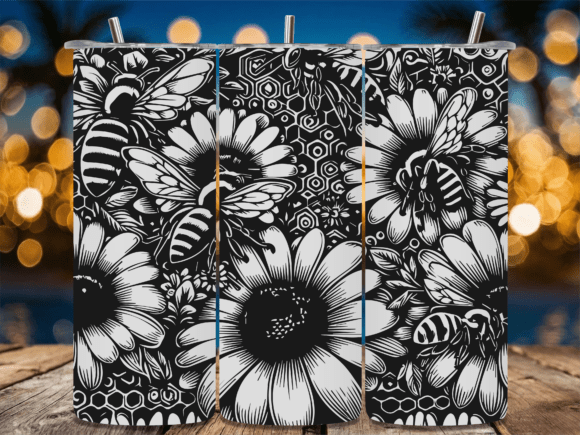
When I first opened the file for Sunflower Honeybee Floral, my immediate reaction wasn't about stitch counts or file formats. It was about the mood. There is a distinct warmth to this design that feels less like a generic clipart and more like a specific memory of a summer afternoon in a meadow. As an experienced designer who has reviewed hundreds of digital assets, I look for that spark—the moment where a design stops being just "graphics" and starts feeling like a viable part of a finished product. This piece delivers exactly that.
The composition strikes a balance between whimsical charm and structural integrity. The sunflowers are rendered with enough petal detail to hold their shape under satin stitches, while the honeybee adds a delightful focal point that breaks up the floral density. For anyone running a small business on Etsy or managing a boutique brand, this kind of visual personality is gold. It doesn't scream for attention; it invites the viewer in. But does it survive the transition from a screen mockup to a tangible, stitched reality? That is the real test.
From Screen to Stitch: A Practical Scenario
Let's walk through a realistic use case. Imagine you are preparing for the upcoming holiday season, and your goal is to create a line of personalized kitchen towels for a local craft fair. You need something that screams "homemade" without looking amateurish. You decide to place Sunflower Honeybee Floral on a heavy cotton canvas towel.
In this scenario, the design performs exceptionally well. The full-wrap nature of the layout allows it to curve gently around the fabric folds, creating a sense of movement that flat graphics often lack. When I simulated the stitching process mentally, I noted how the fill stitches within the sunflower heads would catch the light, adding texture that contrasts beautifully with the smooth satin stitch used for the bee's wings. The result isn't just a logo; it becomes a decorative element that elevates the perceived value of the towel. Customers browsing a booth full of mass-produced items will pause at a towel featuring this level of thoughtful design. It signals quality before they even touch the fabric.
However, the application changes depending on the garment. If you were to move this same design onto a fitted sweatshirt for a custom apparel order, the placement strategy shifts. The design needs breathing room. Because it is a dense floral arrangement, placing it too close to seams or zippers can cause puckering, especially if the stabilizer isn't perfectly aligned. In my experience, this design shines brightest on structured items like tote bags, aprons, and pillow covers where the fabric provides a stable foundation for the embroidery machine.
Navigating Fabric Challenges
No design is universal, and Sunflower Honeybee Floral is no exception. While it handles medium-weight fabrics with grace, there are specific situations where caution is required. If you are working with stretchy knit fabrics, such as those found on baby onesies or athletic wear, you must be vigilant about stabilizer usage. The density of the floral elements can pull on the fabric if not supported correctly, leading to distortion that ruins the crisp lines of the petals.
Similarly, textured fabrics present a unique challenge. On a rough linen or a heavily napped fleece, the fine details of the bee might get lost in the weave of the material. In these cases, the design might need to be scaled up slightly to ensure the imagery remains legible. Conversely, on very thin fabrics, the weight of the thread could cause the material to sag over time, particularly after multiple washes. This is why testing on scrap fabric is non-negotiable. Before committing to a client's order or a batch of handmade products for sale, always run a test stitch on the exact fabric you intend to use.
I also want to address the issue of dark fabrics. While many designers assume a design works equally well on black or navy, color contrast plays a massive role in embroidery visibility. With Sunflower Honeybee Floral, the natural yellows and oranges of the flowers will pop against dark backgrounds, but you may need to adjust your thread palette to ensure the details don't muddy together. Using a lighter underlay or adjusting the stitch density can help maintain clarity when stitching on darker materials.
Strategic Considerations for Craft Business Owners
For the creative entrepreneur, the decision to purchase a design asset like this goes beyond aesthetics. It is about efficiency and marketability. Sunflower Honeybee Floral fits seamlessly into various categories, from holiday gifts to boutique branding. Its versatility makes it a strong candidate for commercial embroidery projects, provided you have reviewed the licensing terms carefully.
One area where this design excels is in creating cohesive product lines. Imagine using the same motif for a set of matching items: a tote bag, a cap, and a tea towel. The consistency in the design creates a professional brand identity that customers recognize instantly. This is crucial for building trust and encouraging repeat business. When a customer sees a high-quality embroidered patch or a neatly stitched baby item, they associate that craftsmanship with your entire shop.
However, there are limitations to keep in mind regarding hoop size and detail. If you are working with small hoop sizes, such as those required for hat embroidery or small patches, the intricate details of the sunflower centers might become crowded. In tight spaces, the distinction between individual petals can blur, reducing the overall impact of the design. Always check the recommended dimensions against your specific machine capabilities before finalizing your production plan.
Another critical factor is the long-term durability of the finished product. Embroidery is known for its longevity, but only if executed correctly. High stitch density areas, like the center of the sunflower, require proper tension settings. If the tension is too tight, the fabric will pucker; if too loose, the design will look sloppy. Regular maintenance of your machine and frequent inspection of your thread colors are essential to maintaining the professional look that Sunflower Honeybee Floral promises.
Final Thoughts on Visual Appeal and Value
In the world of handmade goods, the difference between a good product and a great one often comes down to the finishing touches. Sunflower Honeybee Floral offers a level of detail and charm that enhances the emotional connection a buyer feels toward a gift or a personal item. It transforms a simple piece of fabric into a story-telling artifact.
Whether you are designing for a wedding, a nursery, or a seasonal collection, this design brings a natural elegance that resonates with audiences. It avoids the trap of being overly trendy, which means it has staying power in your portfolio. However, remember that the success of the final product relies heavily on your execution. Take the time to review the stitch density, confirm the hoop size, and test the thread colors against your chosen fabric. By doing so, you ensure that the beauty of Sunflower Honeybee Floral is preserved in every stitch, delivering a finished product that reflects your expertise and dedication to quality.
Ultimately, this design is a powerful tool for any maker looking to elevate their craft business. It bridges the gap between digital convenience and tactile satisfaction, offering a versatile solution for a wide range of embroidery projects. With careful planning and attention to detail, Sunflower Honeybee Floral can become a staple in your collection of design assets, ready to bring warmth and joy to your next handmade creation.